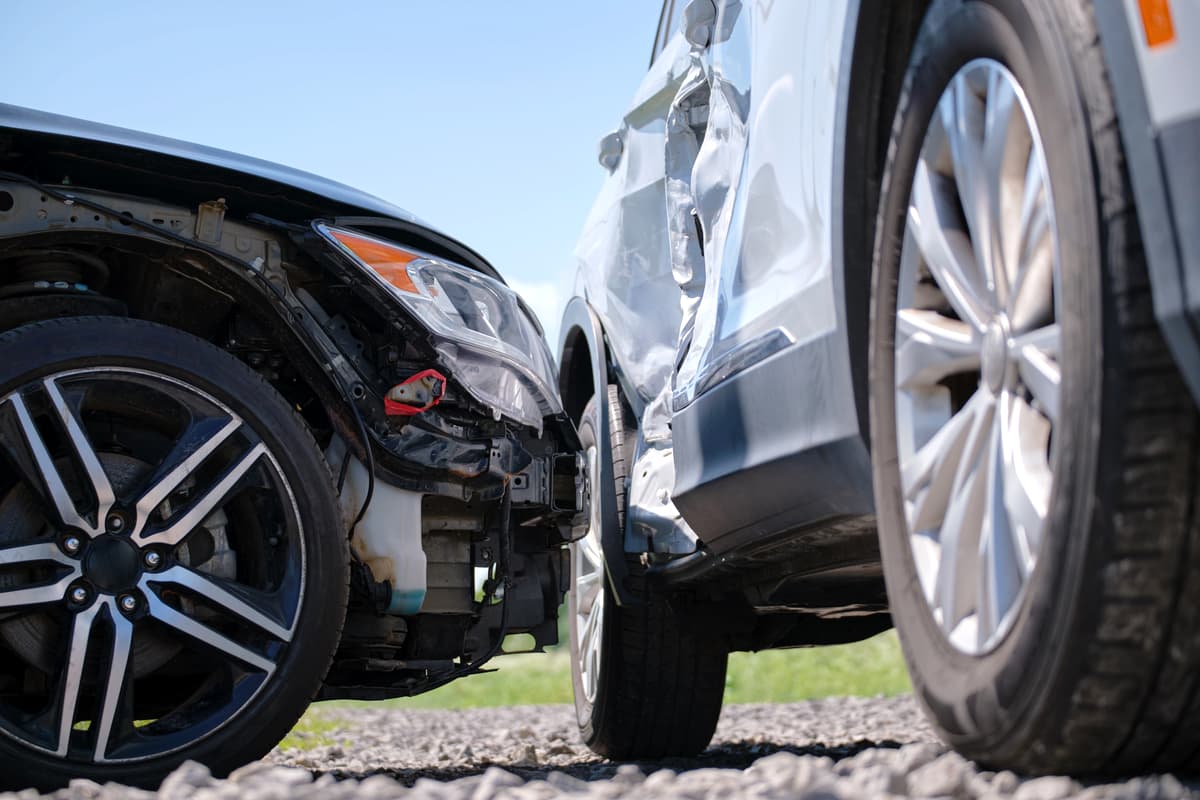
A collision is disorienting even when it is minor. Adrenaline masks pain, tempers run high, and it is easy to forget details that matter. Having a simple sequence in mind helps you act calmly and avoid the mistakes that later weaken a claim. The steps below move roughly in order, but your safety always comes first.
Stop, breathe, and check for injuries
Never leave the scene of an accident you were involved in, even a small one — doing so can carry serious legal consequences. Take a breath, then check yourself and your passengers for injuries. If anyone is hurt, do not attempt to move them unless they are in immediate danger, such as from fire. Call 911 right away and let trained responders take over.
Remember that many crash injuries are not obvious at first. Whiplash, concussions, and internal injuries can take hours or days to produce symptoms, which is one reason a medical evaluation matters even when you feel "fine."
Get to safety and warn other drivers
If the vehicles are drivable and blocking traffic, move them to the shoulder or a nearby lot. If they cannot be moved, turn on hazard lights and, if you have them, set out flares or warning triangles. Standing in a live lane of traffic causes secondary collisions every day, so position yourself well away from moving cars while you wait.
Call the police and get a report
In many situations the law requires you to report a crash, particularly when there are injuries or significant property damage. Even when it is optional, an official police report creates a neutral record of what happened, who was involved, and the responding officer's observations. That document often becomes a cornerstone of an insurance claim.
Exchange information — but watch what you say
Collect the other driver's name, contact details, driver's license number, license plate, insurance company, and policy number. Be polite and cooperative, but avoid discussing fault. Apologizing or speculating about what happened can be treated as an admission later. Stick to the facts when you speak with police, and let the investigation determine responsibility.
Document everything
Your phone is your best evidence-gathering tool. Photograph the scene thoroughly before vehicles are moved if it is safe to do so.
- Wide shots showing the position of both vehicles and the roadway.
- Close-ups of all damage to every vehicle involved.
- Skid marks, debris, traffic signals, and road conditions.
- Visible injuries, license plates, and the other driver's insurance card.
- Names and phone numbers of any witnesses who saw what happened.
Witnesses are especially valuable because they are neutral. A stranger who confirms that the other driver ran a red light can be decisive when accounts conflict.
Seek medical attention promptly
See a doctor as soon as possible, even if you think you are unhurt. A prompt evaluation protects your health and creates a medical record tied closely in time to the crash. Gaps in treatment are one of the first things an insurer points to when arguing that an injury was not serious or was caused by something else. Follow your provider's instructions and keep every appointment.
Notify your insurer and keep records
Report the accident to your own insurance company promptly, as most policies require. Give the basic facts truthfully, but you are not obligated to give a recorded statement to the other driver's insurer, and it is often wise to be cautious before doing so. Start a folder — physical or digital — for the police report, medical bills, repair estimates, correspondence, and a log of missed work and out-of-pocket costs.
Common mistakes to avoid
Knowing what not to do is as valuable as knowing the right steps. Several missteps recur after accidents and can quietly undermine an otherwise strong claim:
- Downplaying injuries. Telling the officer or the other driver that you are "okay" out of politeness can be quoted back to you later. Describe symptoms accurately instead.
- Skipping or delaying treatment. Gaps in care are the most common reason insurers question whether an injury is real or serious.
- Posting on social media. Photos or comments about the accident or your activities can be taken out of context to dispute your injuries.
- Accepting a quick offer too soon. An early check may not account for injuries that are still developing, and once you accept, the claim is usually closed.
- Guessing about fault. Speculating about what happened, even to be agreeable, can be treated as an admission.
Most of these mistakes share a theme: they trade a small short-term convenience for a real long-term cost. Slowing down and sticking to facts protects both your health and your options.
Frequently Asked Questions
Should I call the police for a minor fender-bender?
When in doubt, yes. A report is difficult to obtain after everyone leaves, and even minor crashes can involve injuries or damage that surface later. Requirements vary by state, so calling is usually the safer choice.
What if I feel fine after the accident?
Feeling fine is common because adrenaline masks pain. Injuries like whiplash and concussions often appear hours or days later, so a prompt medical evaluation is still worthwhile.
Do I have to give the other driver's insurer a recorded statement?
Generally no. You must cooperate with your own insurer, but you are not required to give a recorded statement to the other party's insurance company, and it can be wise to seek guidance first.
Keep the paperwork organized. A single, well-kept file of reports, bills, and photos makes every later step — from insurance to legal review — faster and stronger.